

A Step-by-Step Guide to Choosing the Right Conference Venue in Ghana: Conference venue in Ghana:
Finding a suitable conference venue takes time. Most organisers begin the search months before the event because several decisions need to be made upfront. You must understand the event’s purpose, audience, programme, budget, and operational needs before even looking at potential venues. When these elements are clear, your venue search becomes straightforward. A Step-by-Step Guide to Choosing the Right Conference Venue in Ghana
A Step-by-Step Guide to Choosing the Right Conference Venue in Ghana
This guide breaks down the steps you should complete before selecting a conference venue and what to look for once the search begins.
1. Clarify the Purpose of the Conference
Before choosing any venue, understand why the conference is being held. The purpose guides every decision: speakers, session topics, layout, capacity, and the type of atmosphere you need the venue to support.
Identify the issues or conversations happening in your industry. This helps shape the event theme and ensures the venue you choose can support that focus. Once the purpose is specific, the entire planning team can align their decisions around it. It also reduces unnecessary back-and-forth later.
2. Define Your Audience

Every conference is shaped by its audience. Their interests, expectations, and working environment influence the type of venue that will work.
Think about:
- Their industry
- Their age and demographics
- What type of environment they respond well to
- Whether they expect traditional or modern setups
- Accessibility needs
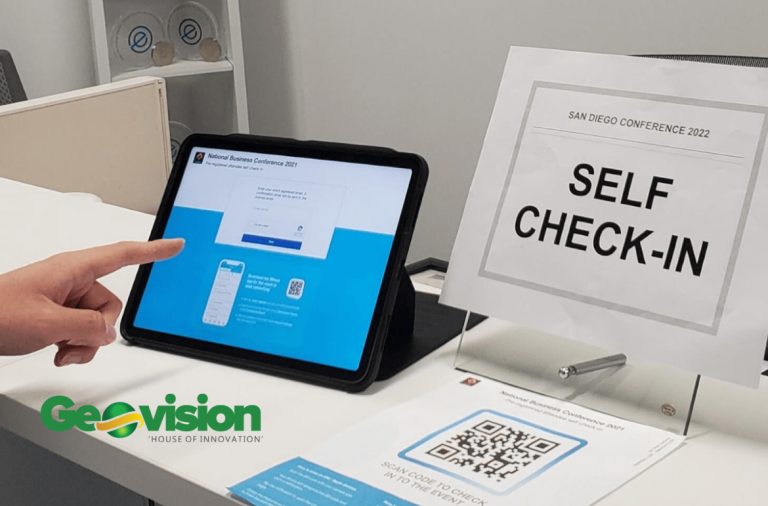
For example, a conference for traditional corporate sectors may prefer a conventional venue with structured seating and classic design. A tech-focused audience may expect flexible layouts, modern interiors, reliable internet, digital check-in systems, and interactive elements.
When you understand the audience, it becomes easier to choose a venue that fits their style and comfort.
Now Reading: A Step-by-Step Guide to Choosing the Right Conference Venue in Ghana
3. Establish Your Target Audience Size
Once the audience type is clear, estimate the attendance numbers. This affects:
- Venue capacity
- Parking availability
- Catering requirements
- Safety planning
- Movement flow
- Breakout room needs
If you expect more than 1,000 attendees, only a few venues in Ghana can handle that scale. Planning this early avoids wasting time visiting locations that cannot meet your capacity requirements.
4. Build a Draft Agenda
The agenda helps you understand how the venue will be used throughout the day. It makes it easier to visualise the space required.
A draft agenda should include:
- Keynote sessions
- Breakout sessions
- Panel discussions
- Networking breaks
- Lunch times
- Exhibition spaces
- Registration and check-in times
Your agenda does not need to be final, but it should outline the flow of the event. It will also help you determine the number of rooms you need, the room sizes, the type of stage setup required, and how guests will move from one session to another.
5. Set a Clear Budget
Your budget affects everything: venue options, catering capacity, production, staffing, and logistics. Before starting your search, list every major cost item.
Typical budget items include:
- Venue hire
- Audiovisual equipment
- Stage and branding
- Catering
- Registration and check-in equipment
- Furniture
- Security
- Transport
- Printing and materials
- Staff expenses
Use a spreadsheet or any budgeting tool to track estimated and confirmed costs. With a clear budget, you can filter venues quickly and avoid overspending later.
6. Consider Accommodation Needs
If guests are travelling from different regions or countries, accommodation becomes part of the planning.
You should determine whether:
- The venue must include onsite accommodation
- You need hotels within walking distance
- Transport will be provided between hotel and venue
- You require group rates or blocked rooms
Accommodation experiences influence how guests view your event, so choose options that reflect the level of organisation you want to present.
7. Plan for Entertainment and Evening Activities

Conferences often include side events such as networking dinners, awards, or informal gatherings. These activities must align with your audience and your budget.
This may include:
- Welcome reception
- Dinner events
- Cultural performances
- Music
- A VIP reception
- Post-event social activities
Decide early so you can choose venues that support these activities or have nearby options where guests can gather.
8. Start the Venue Search
Once all the preparatory steps are complete, you’re ready to look at venues.
When evaluating each location, consider:
- Capacity and seating flexibility
- Stage and audiovisual capabilities
- Stability of power supply
- Internet quality
- Breakout rooms
- Parking space
- Accessibility
- Proximity to hotels and transport
- Catering options
- Safety and emergency exits
- Branding allowances
Schedule site visits and compare venues based on your agenda, audience, and budget. Collect detailed technical specifications and confirm what is included and what must be outsourced.
9. Confirm Requirements Before Booking
Before signing a contract, verify:
- Load-in and load-out times
- Whether external vendors are allowed
- Cost of overtime or extensions
- Security requirements
- Storage space
- Cleaning and maintenance services
- Damage policies
- Internet bandwidth
- Availability of backup power
Final confirmation prevents misunderstandings and protects your event from unexpected expenses.
Other Pages:
Event Request Page
Our Contact